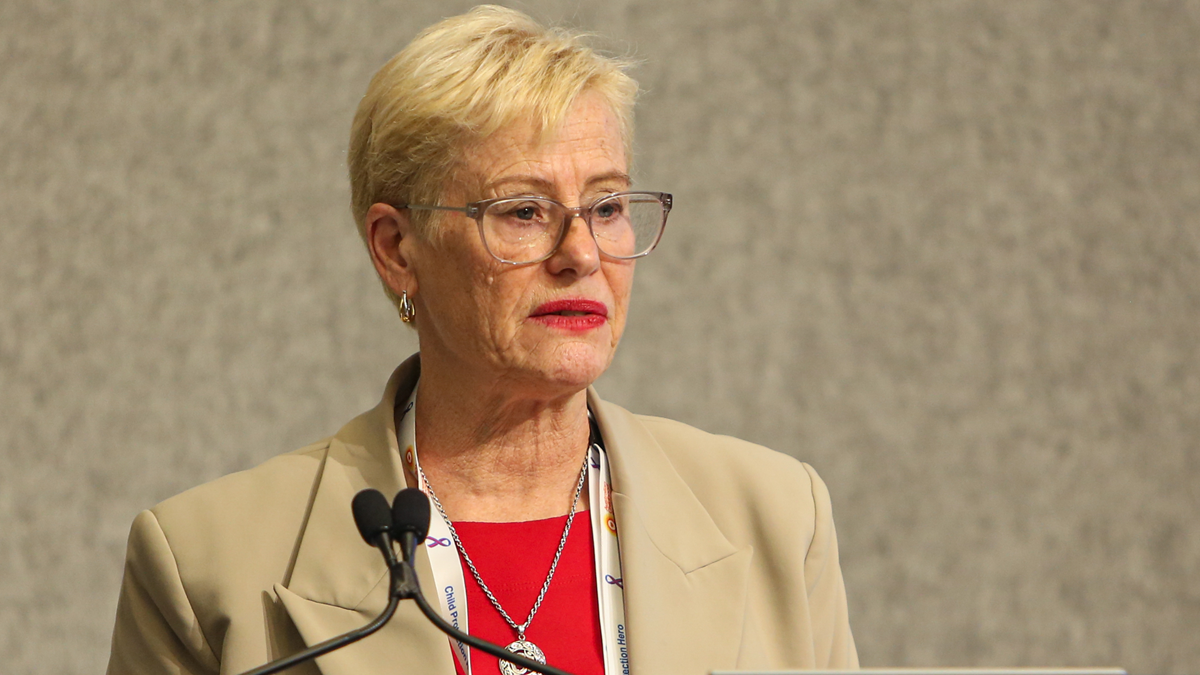

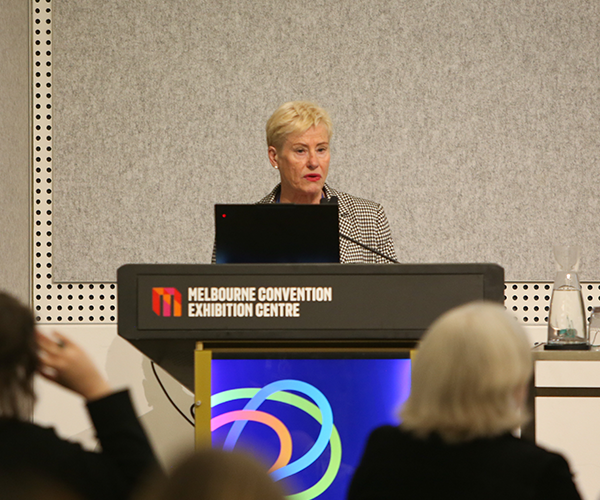

Anchor Community Care CEO Heidi Tucker recently joined sector leaders and practitioners at the Complex Needs Conference in Melbourne, sharing insights from the MyLife Project and its work supporting young people leaving care to build safe, stable and independent futures.
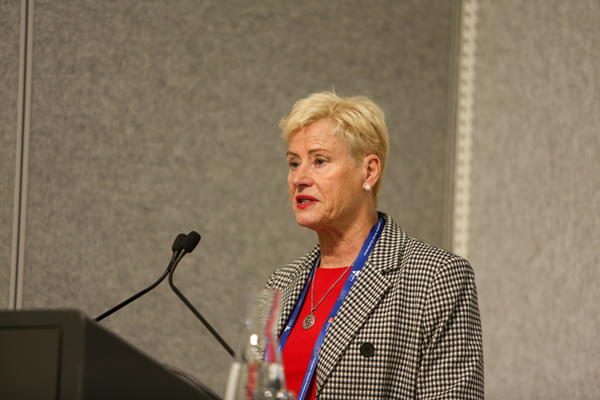
Heidi’s presentation explored how housing can be much more than a place to live for young people at risk of youth homelessness. With the right support around them, secure housing can provide a platform for young people to seek help, navigate complex systems and develop the skills, relationships and confidence needed for independence.
Turning housing into a platform for independence
MyLife supports young people transitioning from the care system through secure semi-independent accommodation and consistent, trauma-informed support.
Rather than expecting young people to navigate the transition to adulthood alone, MyLife provides a stable foundation from which young people can work towards their own goals.
This can include developing practical life skills, connecting with education and employment, navigating health and other services, and building personal and professional networks beyond the program.
For young people leaving out-of-home care, these connections can be particularly important. Without effective support during this transition, young people can face increased risks of housing instability, homelessness and other forms of disadvantage.
What can we learn from the MyLife Project?
During her presentation, Heidi shared findings from two evaluations of MyLife, providing evidence about what helps young people engage with support and build greater independence.
The evaluations highlighted the importance of relationships and trust.
When young people feel safe with the people supporting them, they can be more willing to ask for help earlier, engage with services and build the confidence to navigate systems that can otherwise feel overwhelming.
The findings also reinforced the value of helping young people develop networks that extend beyond a single service or program.
For Anchor, this is an important part of preventing youth homelessness: supporting young people to build the relationships, skills and connections that can continue to support them well into the future.
Integrated support for young people leaving care
Integrated service approaches were a key theme across the youth stream of the Complex Needs Conference.
For young people leaving the care system, housing, health, education, employment and social connection are closely connected. A young person may need to navigate several systems at once, making collaboration between services particularly important.
Effective integrated responses can help prevent vulnerable young people from becoming trapped in cycles of disadvantage as they transition into adulthood.
Continuing the conversation about youth homelessness
Anchor was pleased to contribute to the Complex Needs Conference and share learnings from the MyLife Project with practitioners and organisations working with people with complex needs.
Sharing evidence and learning is an important part of improving responses to youth homelessness and supporting young people leaving care.
Anchor’s MyLife Project demonstrates the potential of combining safe and stable housing with consistent, trauma-informed relationships and practical support — while recognising that the transition to independence does not happen overnight.
By continuing to learn from young people, evaluations and each other, the sector can work towards better integrated responses that help young people build the foundations for independent lives.
Learn more about the Anchor MyLife Project by watching the video below: