
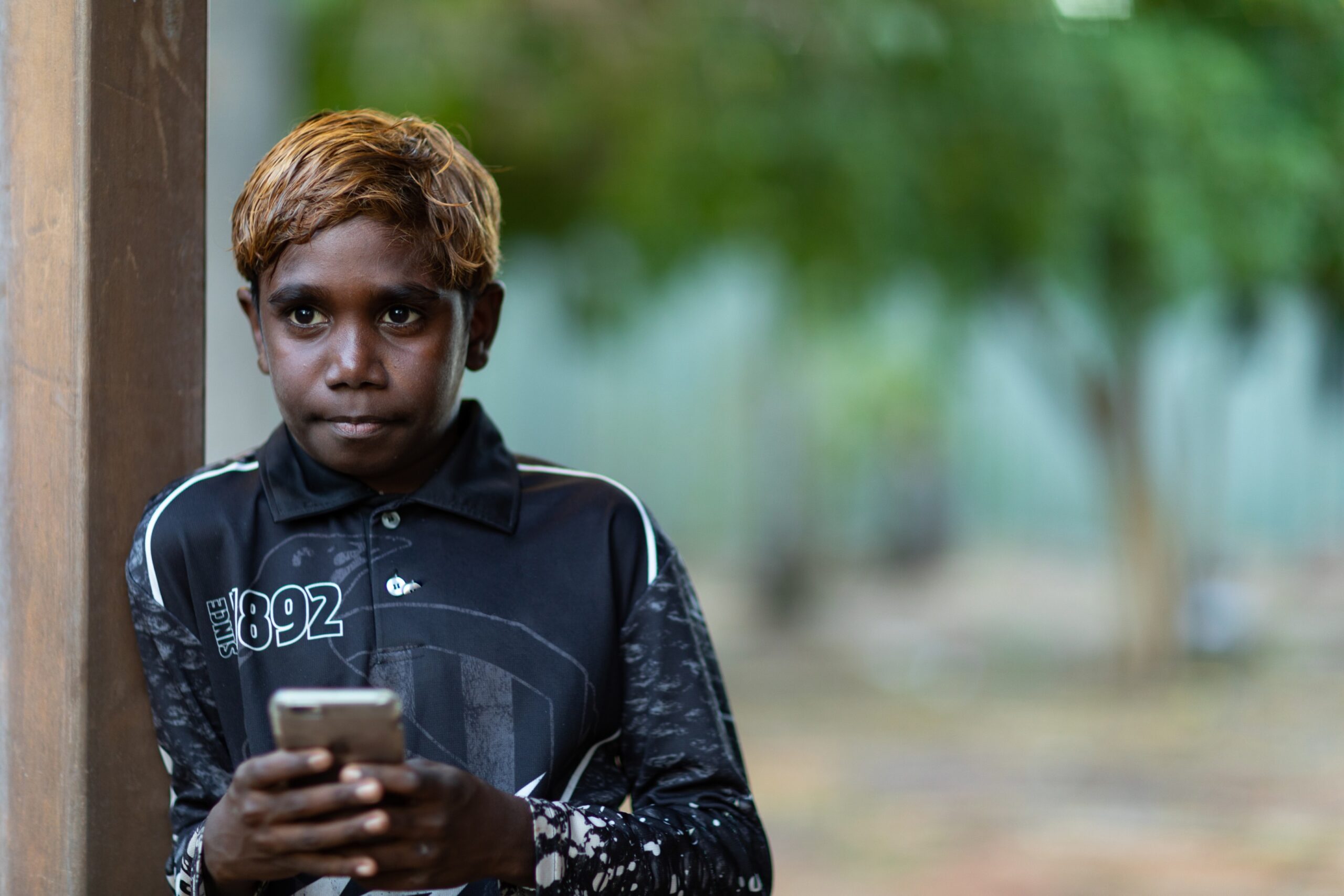

James* is 11 years old Aboriginal boy who lives with his mum and his five-year-old brother.
For much of his early childhood, home life was shaped by family violence and drug and alcohol use. Instability followed him into other parts of his life. Within twelve months, he changed schools twice. Ongoing challenges with his mother’s mental health meant he was missing significant time in school.
But behind the attendance records was a quieter story.
Despite being primary school aged, James had taken on responsibilities far beyond his years.
Anchor’s Specialist Homeless Children’s Worker observed that he had become “parentified” within the household. He was managing practical tasks and emotional burdens that no 11-year-old should have to carry.
For the first time, James had someone whose role was focused entirely on him.
Through consistent, one on one engagement, the Specialist Worker created space for James to speak about what homelessness felt like from his perspective.
He was able to share worries he had been holding on his own. Having a trusted adult to offload to helped ease the weight he had been carrying.
With support, James began reconnecting with parts of childhood that instability had interrupted. He expressed interest in martial arts, and the worker helped enrol him in regular classes, attending alongside him to ensure he could participate consistently.
Routine provided structure, and the physical outlet helped his confidence. It was a safe space where he could simply be a child.
Support extended beyond James individually. Anchor’s Specialist Worker attended care meetings with his mother and school staff, advocating for his needs within education settings.
His mother was supported with practical parenting strategies focused on routine and consistency, helping to create a more predictable home environment for both children.
The pilot project is designed to ensure that children experiencing homelessness are not invisible within family support responses.
For James, that meant having someone in his corner whose priority was making sure his voice was heard.
With targeted, child focused support alongside assistance for his family, James’s school attendance improved. Stability began to return. He was back in the classroom, engaged in learning, and connected to activities that strengthened his confidence.
James’s story shines a spotlight on the importance of early, specialist intervention for children experiencing homelessness. When given consistency, a safe space to grow, and practical support, children are better able to re-engage with school, reconnect with their interests, and regain a sense of stability during periods of significant disruption.
This story originally published in Anchor Impact Report 2026
*Names have been changed to protect the identity of individuals quoted in this article.