
Anchor’s Journey to Reconciliation

On this page
At Anchor, we stand on lands that have been home to the Wurundjeri, Bunurong/Boonwurrung, and Gunaikurnai peoples for thousands
of generations.
We recognise their unbroken connection to country – its rivers and mountains, its stories and spirit, its past , present and future. These lands were never ceded, and we acknowledge the ongoing strength, resilience, and cultural leadership of Aboriginal and Torres Strait Islander peoples across the lands we work within now, and those we will work with in the future.
Our Vision for Reconciliation
At Anchor, we hold firm in the belief that Reconciliation is not a destination but a shared journey – one that calls us to listen deeply, reflect honestly and act courageously.
As we move from our REFLECT Reconciliation Action Plan to the INNOVATE Reconciliation Action Plan, we step forward with a far greater responsibility. Embracing the challenge of embedding reconciliation into the core of who we are and what we do as we grow.
Our work empowering children, young people, families and individuals is inextricably linked to the truths of this land – truths of dispossession, of survival, of strength, and of a future that must be built on justice and equity.
True reconciliation means creating spaces where culture is not only acknowledged but also respected and celebrated, where constitutional recognition, Voice and self-determination shape the systems that impact Aboriginal and Torres Strait Islander lives, where healing is prioritised, and where change is made possible.
We are weaving cultural safety into our services, ensuring that the people who turn to us for support feel seen, heard and valued.
We are building relationships that are based on trust and reciprocity, creating opportunities for collaboration and shared decision-making.
We are challenging racism and discrimination wherever we find it, including within ourselves and the systems we work within.
As an expanding organisation that remains grounded in the grassroots community work we began doing over 50 years ago, we recognise that reconciliation is our collective responsibility. Every conversation we have, every partnership we form, and every service we deliver must contribute to a future where Aboriginal and Torres Strait Islander people thrive.
Reconciliation is not just about looking back but moving forward together. At Anchor, we are committed to walking this path with vulnerability, open hearts and unwavering commitment, working towards a future where justice, truth and respect are the foundations of everything we do.
Our Commitment to Reconciliation
Our journey toward reconciliation is not symbolic.
It is our responsibility.
As an organisation that provides out-of-home care, we acknowledge that our sector played a direct role in the forced removal of Aboriginal and Torres Strait Islander children from their families, culture, and Country.
We recognise that the histories of the areas in which we work, through the Yarra Ranges and Gippsland, are deeply tied to the dispossession of land, the Stolen Generations, and the ongoing injustices that continue to shape the lived experiences of Aboriginal and Torres Strait Islander peoples today.
Anchor’s journey into Reflect RAP allowed us to listen, learn, and to begin embedding reconciliation into our everyday work. Through this process Anchor’s most significant change included the complete overhaul of all policies and procedures to acknowledge the cultural needs of Aboriginal and Torres Strait Islander Staff, Volunteers, Children and young people, the development of a framework of processes when an Aboriginal child is in our care, and a Partnership Framework to guide our relationships with Aboriginal Community Controlled Organisations and community.
Most importantly, we learnt that our ideas of safety as an organisation for Aboriginal and Torres Strait Islander peoples are not always correct and that much, much more was needed. The implementation of four supply contracts with Aboriginal and Torres Strait Islander small businesses as preferred providers. Onboarding of multiple highly skilled Aboriginal and Torres Strait Islander practitioners across our expanding footprint. And a formal partnership with Ngwala, which involves delivering crisis services and shared office spaces.
But reflection alone is not enough.
The development of our Innovate RAP is a deliberate step toward action, and toward doing the hard, necessary work of addressing past harm, thereby creating a future where Aboriginal and Torres Strait Islander children and families are safe, strong, and supported in ways that honour their culture and sovereignty.
Reconciliation is about more than policy. More than a publication of intent, it is about changing the systems that have caused harm. It is about ensuring that Aboriginal and Torres Strait Islander children in care remain connected to family, to culture, and community. It is about amplifying Aboriginal-led solutions, holding a space for the safety of culture, and ensuring that every decision we make reflects our commitment to self-determination and truth-telling.
The trauma of stolen land and stolen children is not just Australia’s history, but a lived reality today. Our Innovate RAP is not just about what we will do next but about what we must do now.
To that end, we have developed a comprehensive framework to guide our work in the Innovate RAP space, categorised into areas of Relationships, Respect, Opportunities, and Governance.




Artist and Commissioned Artwork

“All of the pieces I have developed for Anchor represent elements of my community and our connection to country where we feel at home.”
– Teghan Voce
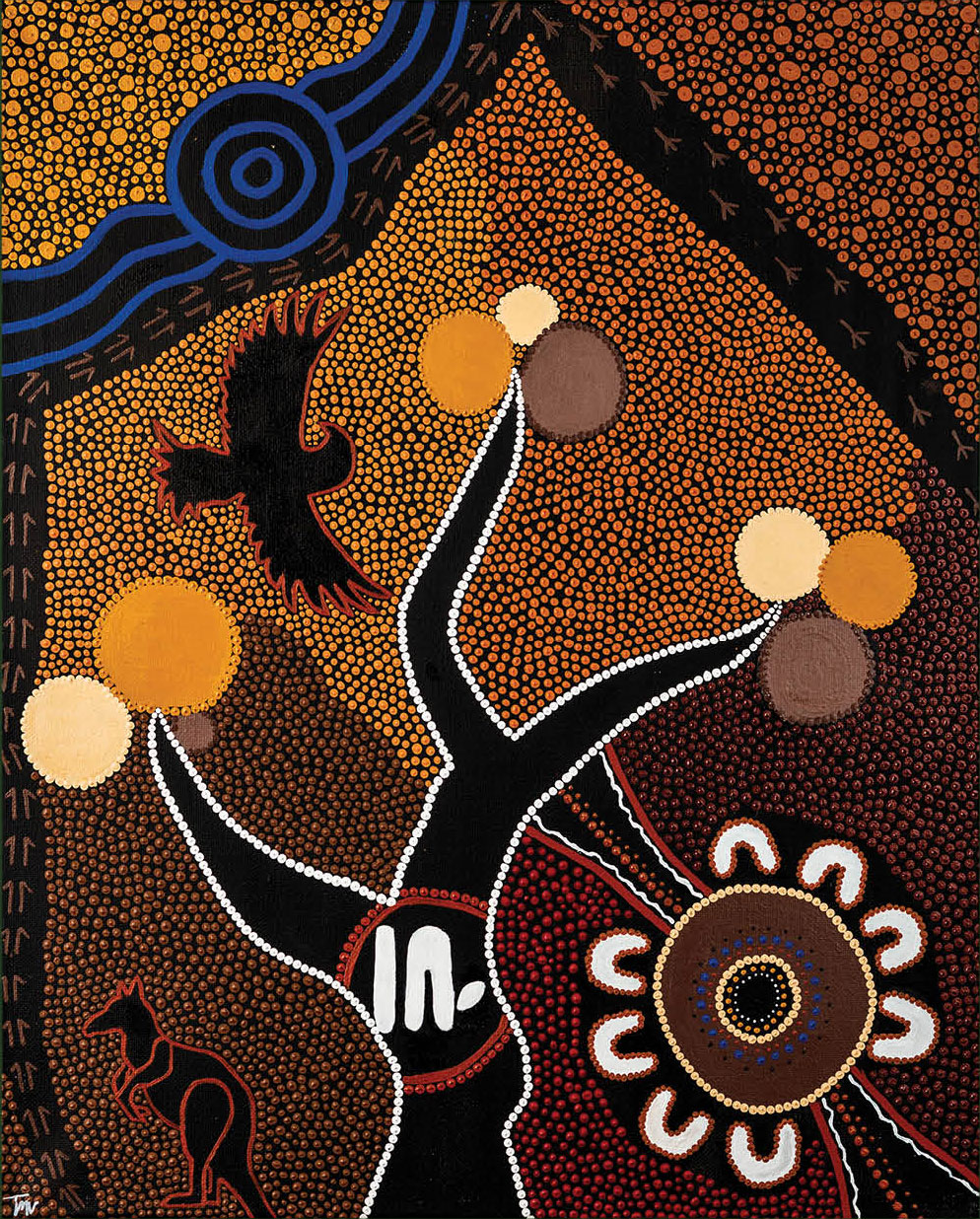
Teghan Voce is a proud Taungurong/Wiradjuri woman living in Healesville Victoria. At just 17 years old, Teghan crafted four uniquely beautiful paintings created specifically for Anchor’s Reflect RAP. The pieces represent Anchor’s connection for community and land and the people they support.
Teghan developed the pieces using her skilled artistry and her own feelings of belonging to her community.
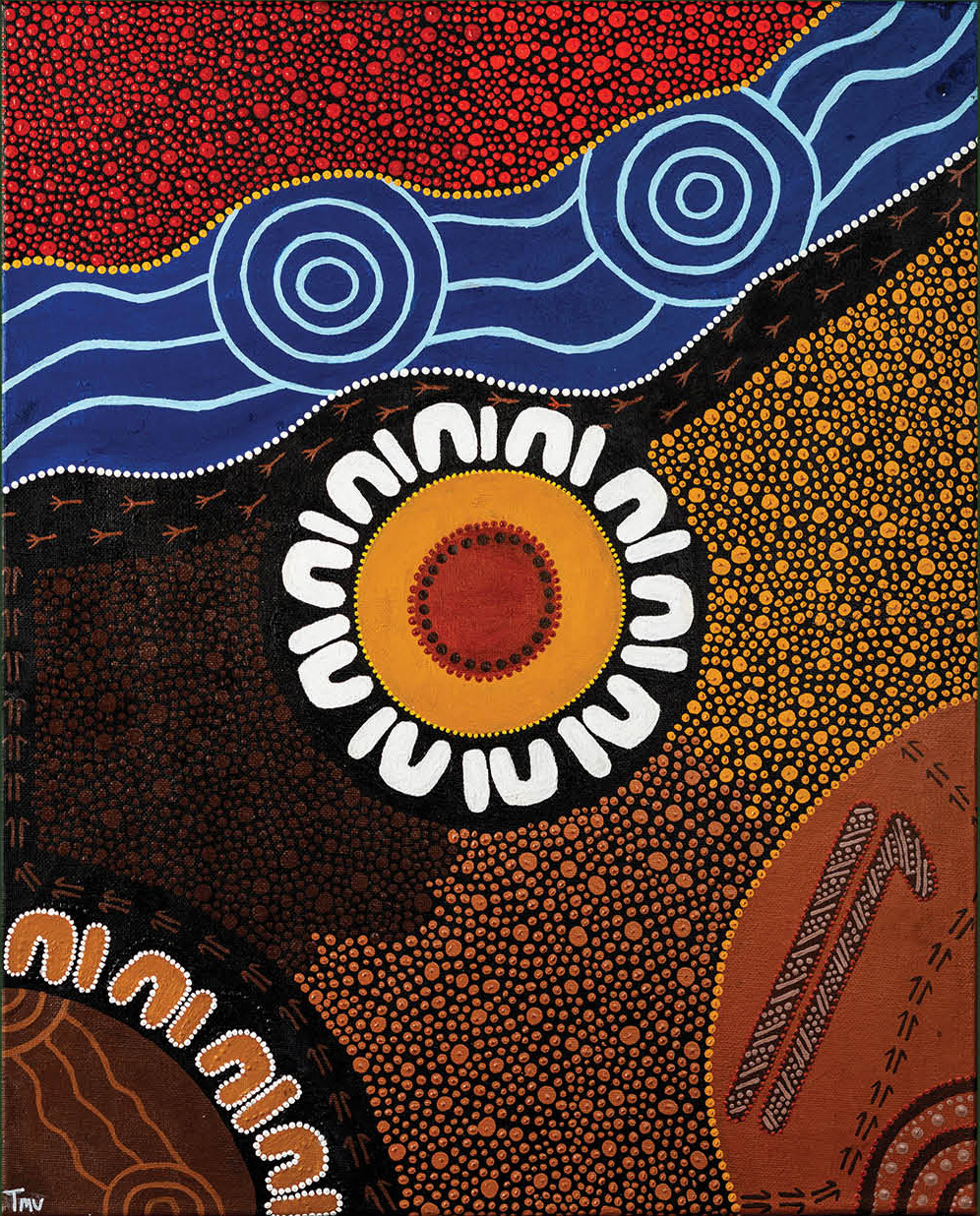
This artwork is based on men, men gathering around the camp right next to the river, as the sun is setting they head off hunting for dinner.
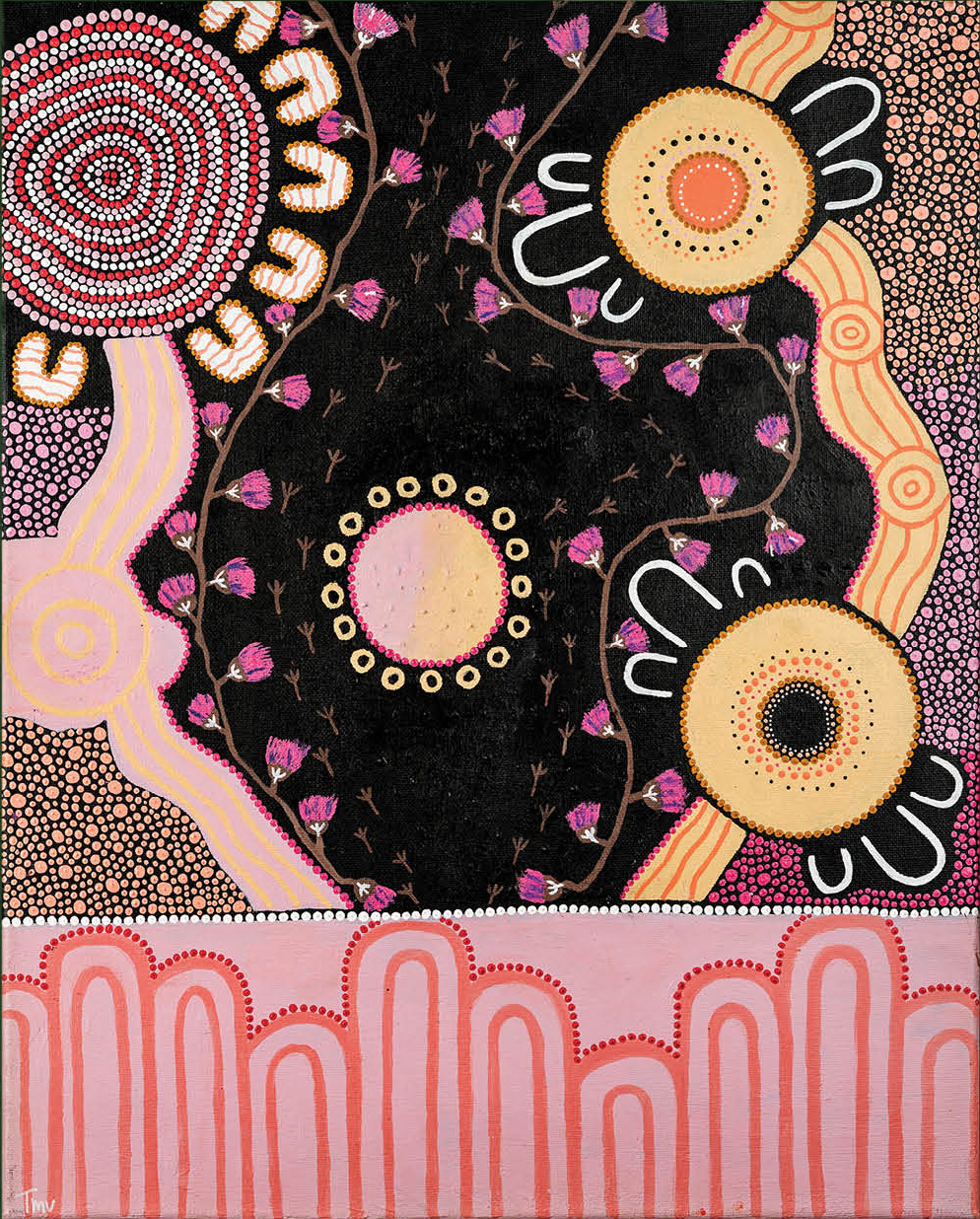
This artwork is based on women, women gathering in a safe place around the river with their bush tucker, looking over the mountains under the stars.
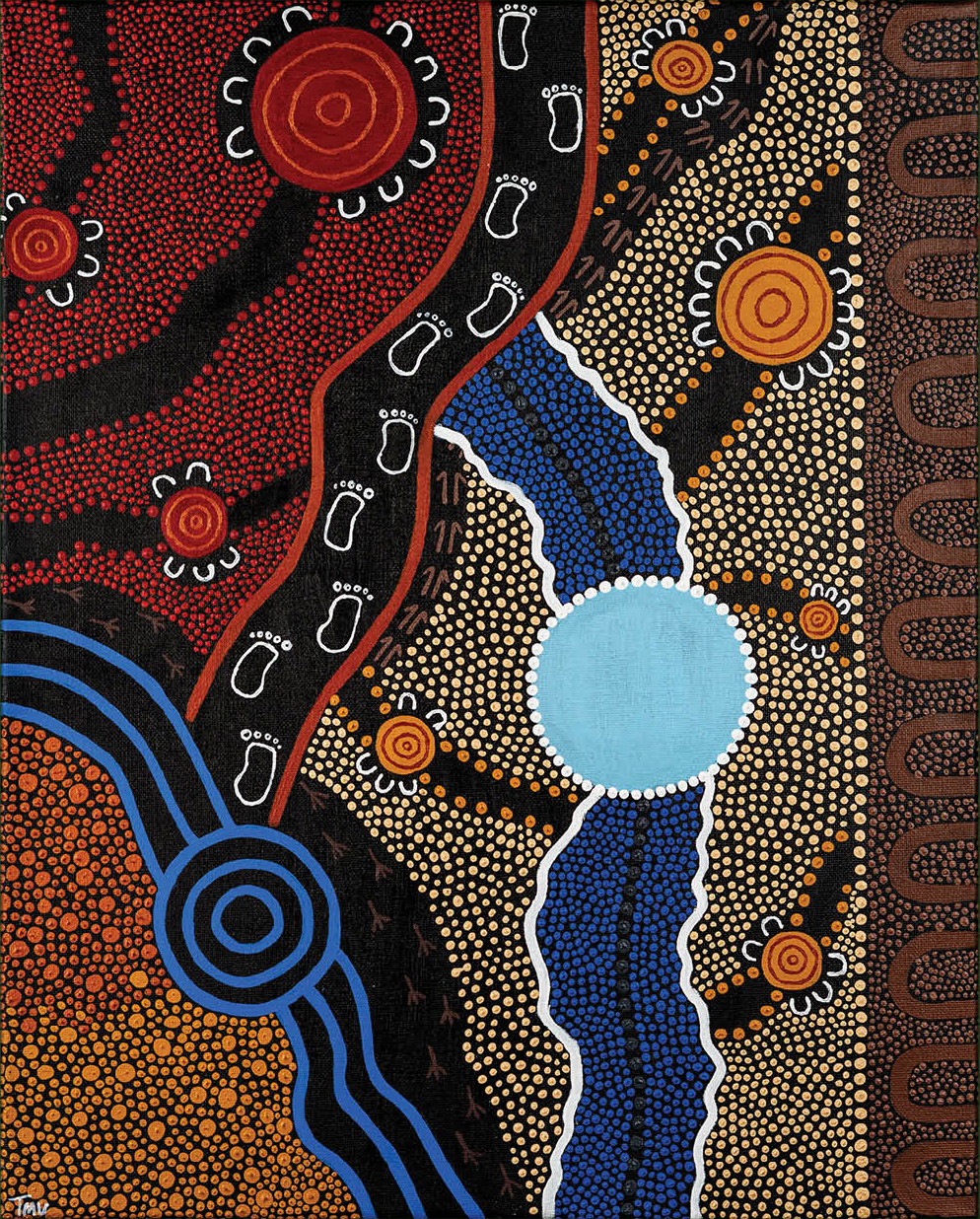
The artwork is based around children, children around the rivers playing all together in their campsites, in their safe place with the elders watching over the children.
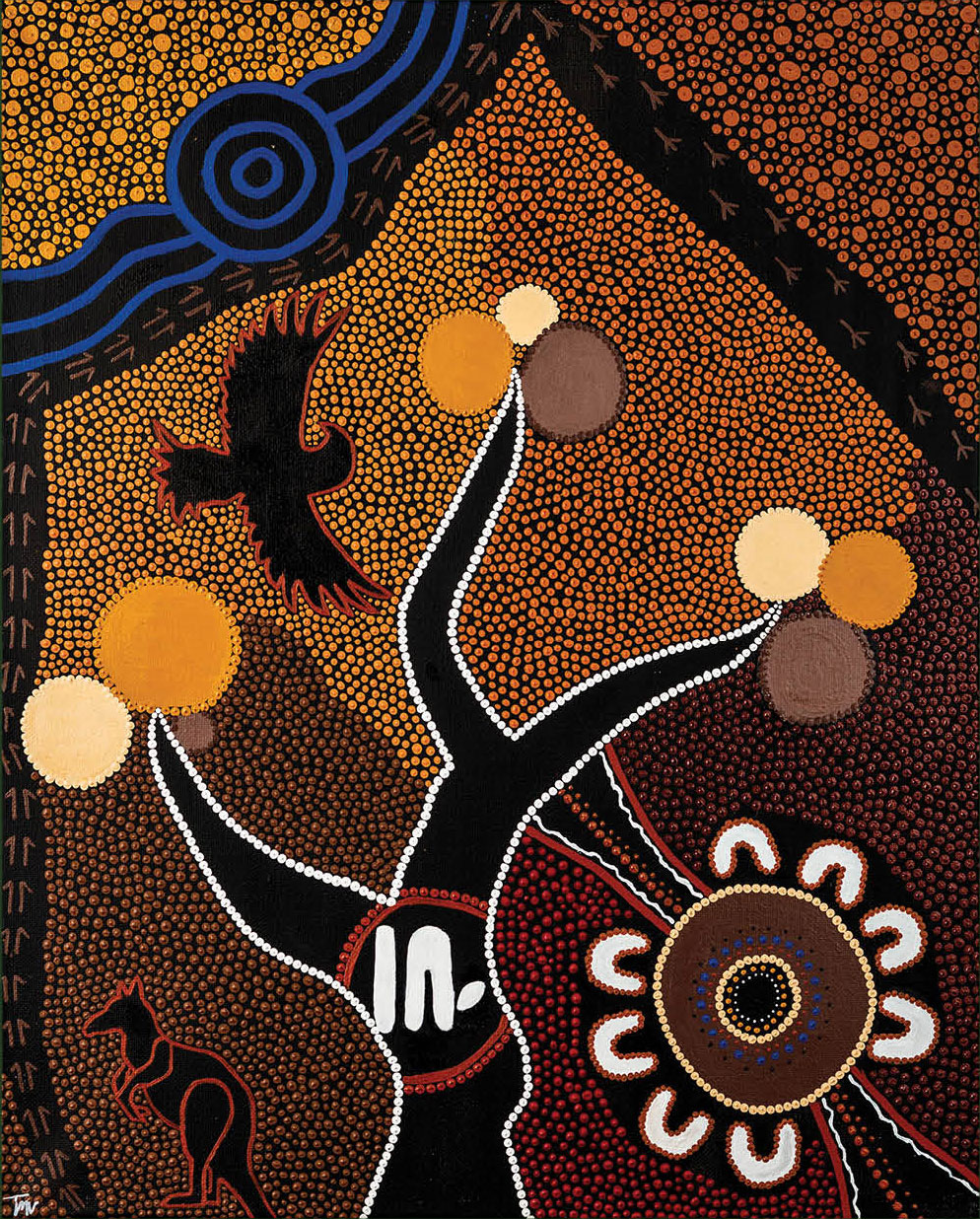
This artwork is based on family, family feeling safe with their families all gathering together while all the animals are feeling welcomed around them and around the river.
Our RAP Committee
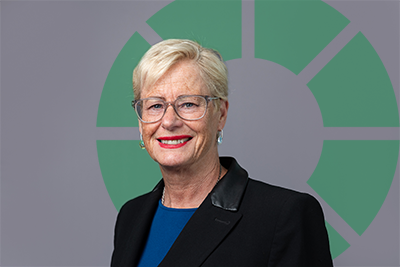
Heidi Tucker
Chief Executive Officer; Ex-officio member of the Board.
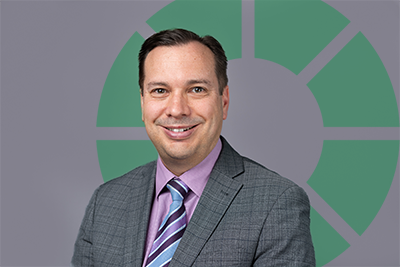
Michael Deidun
Non-Executive Director.
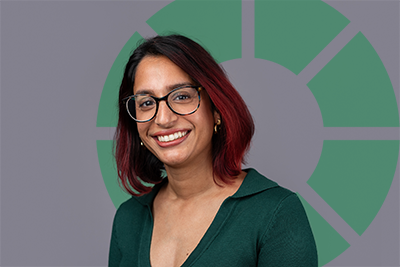
Sharika Jeyakumar
Secretary; Non-Executive Director.
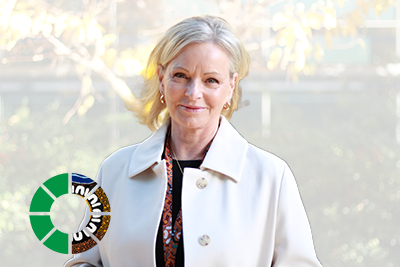
Helen Voogt-Dilon
Executive Manager – People and Culture.
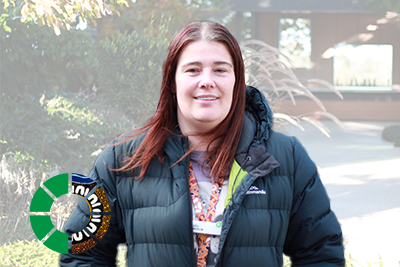
Talia Appleby
Acting Team Leader – Youth Development and Homelessness.
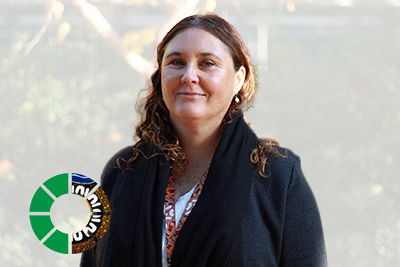
Natasha Quarm
Team Leader – Care Services.
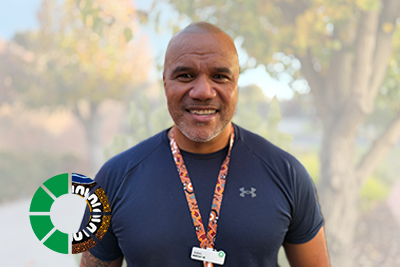
John Tamanibola
Case Manager – MyLife Project Gippsland.
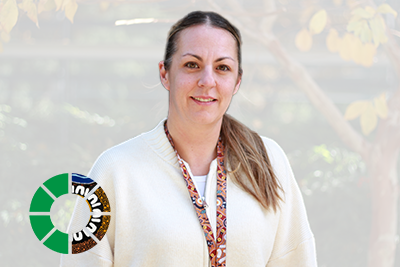
Edwina Rymarz
Case Manager – MyLife Project Pakenham.
Our Partners
Reconciliation shapes every decision and collaboration we pursue.
Service Delivery Partners
At Anchor, we are proud to have launched meaningful partnerships with Aboriginal and Torres Strait Islander practitioners, service providers, and organisations, ensuring supplier diversity to elevate Indigenous-owned businesses.
Our approach is deeply rooted in action, accountability, and creating spaces where culture, self-determination, and healing guide our work, and where reconciliation shapes every decision and collaboration we pursue.
RAP Partners
Reconciliation Australia
Ngwala
VACCA East

Swinburne University of Technology
OONAH
Boorndawan
Support for Indigenous Business

Supply Nation
Kinaway Chamber of Commerce