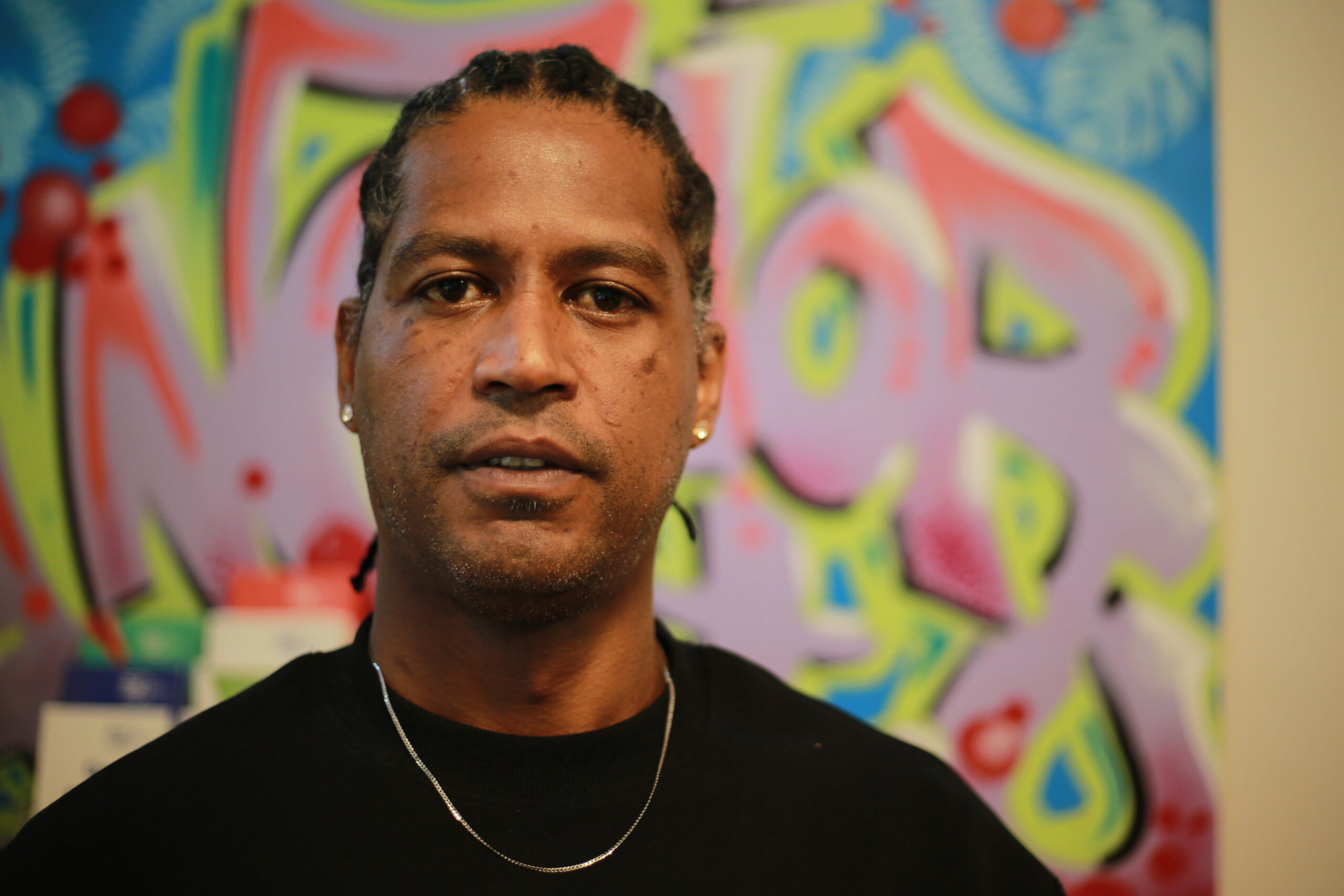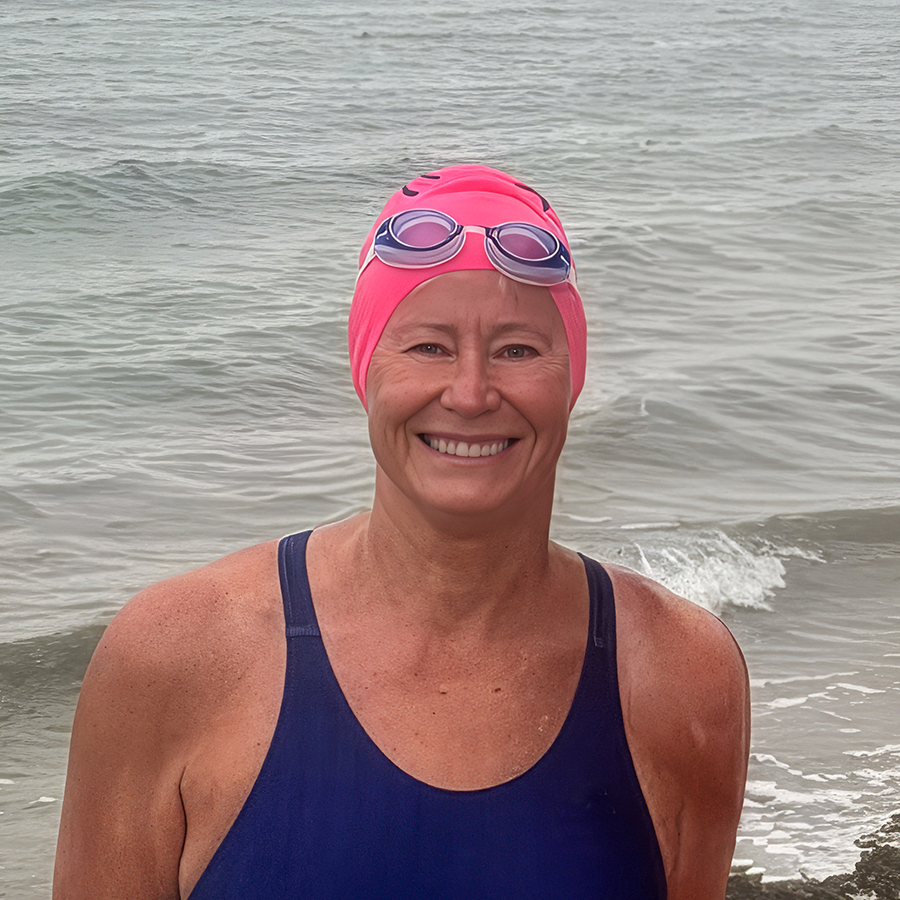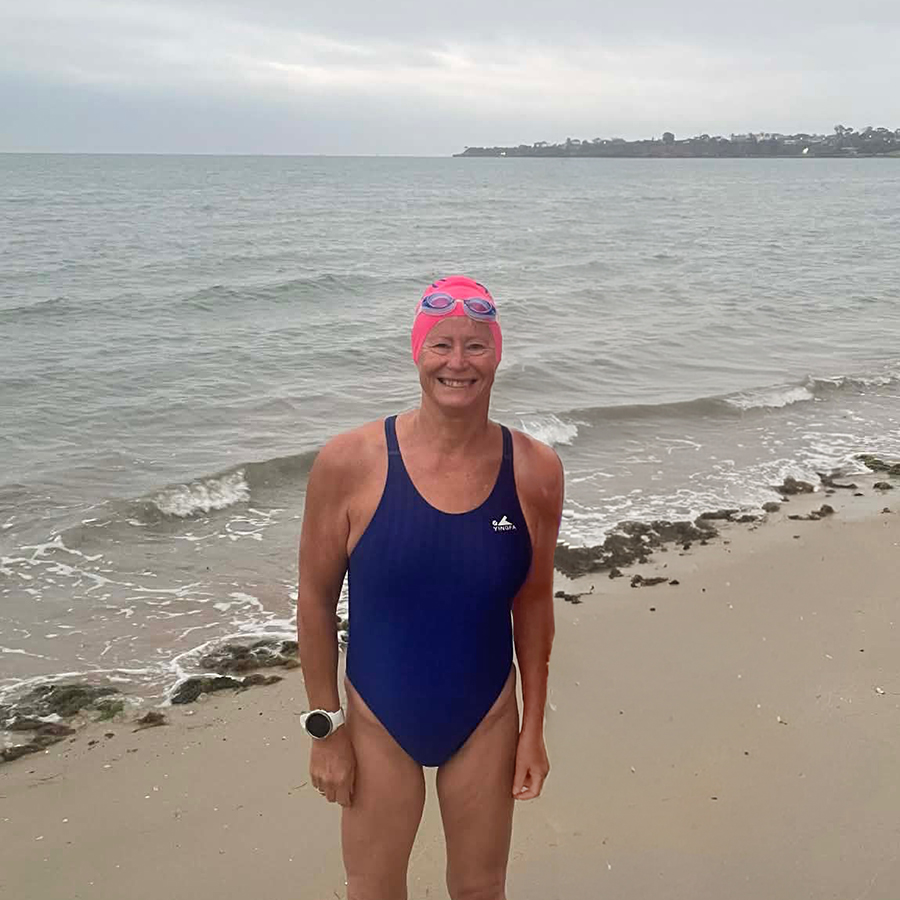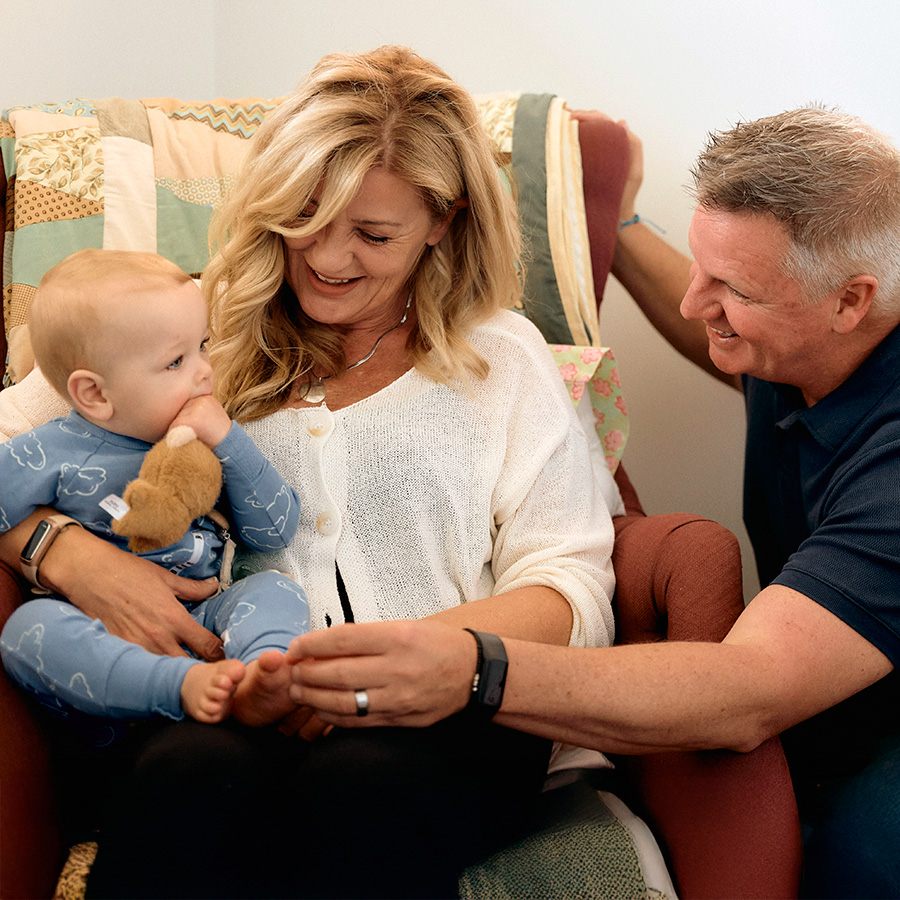

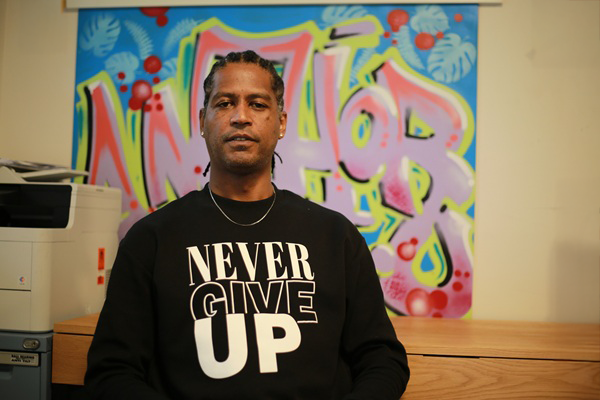

MyLife Case Manager, Doug Berry worked all kinds of jobs, from landscaping to truck driving and even working in a warehouse, before he found his calling.
It wasn’t until his partner highlighted that he had a very supportive nature and had always helped people throughout his life, that he thought maybe a career supporting and mentoring young people might be a good fit for him.
Six years later, having worked in various roles spanning residential care and kinship care, including a team leader role at VACCA, it’s safe to say that Doug has found his calling.
We sat down with Doug to find out more about the Anchor MyLife Project, what makes the young people he supports so special, and why having belief is everything.
You’re fairly new to the MyLife team. Can you tell me a bit about the importance of collaboration and teamwork when supporting young people?
Oh, it’s so important!
Without a team in this industry, and what we do in this program, it’d be very hard. If there isn’t a good team around the young people we support, then not only is it hard to do the work but you’re just making it harder for the young people.
It’s a great job, but we’re people too. So sometimes we get sick, overwhelmed, tired, need a mental break, need to go for a walk. So understanding all that about the industry and what we do, having a team around you to support that is invaluable.
And I feel like the team here really sort of keeps that at the top of mind, especially when we’re engaging with each other and planning out our daily work.
Having a tight knit team ultimately has a positive effect on the way we work with the young people too. Having a really nice community feel to the MyLife East site makes it a good place for young people to live and develop.
Our work space isn’t formal. It’s a very welcoming little community.
What are some of the barriers that the young people in the MyLife Project face?
MyLife is all about helping young people in the care system to develop independence and confidence. So most of the challenges they face relate to how they are able to develop life skills, some of which a lot of people take for granted. It’s things like responsibility for cleanliness, hygiene, schedules, you know, being confident to do things on your own, whether that’s personal finances or working out what job you want to go for.
Honestly, they face all of the things that every other teenager faces, but they’re doing it while also carrying a lot trauma and very disrupted, displaced childhoods where they haven’t necessarily had the positive adults in their lives to help them grow. This is a really profound disadvantage that creates all sorts of barriers for them.
How about we flip this question a bit. What strengths and talents do you see in the young people that come through the program?
Yeah, they have a lot of troubles, but they’re also brilliant young people. They have a really special kind of confidence about them. I guess they develop it through all the things they have experienced. They’re never afraid to speak up in their own way if they feel they need to draw attention to something.
I think it’s a big strength that they can be very open and honest. They’ll let us know about almost anything that’s gone on their life. That all comes down to our ability to build really trusting relationships with them.
And they all have their own unique talents and interests. One of the best bits of the job is helping them to connect with their passions.
How do you go about building that trusting work relationship?
Personally, I think it’s important to let them do the talking for the most part when you’re just starting out with them. Ask your questions, but let them really take the lead in the conversation, and if they seem to be more of the show kind then just being present sometimes can be enough for them to start opening up to you.
I’ve learned with some young people that sometimes awkward silence can be important rather than just talking at them to fill the air.
The car trip is a case managers best friend. You might be taking them to an appointment or even just a Maccas run, but it lets you sit with them in a non-confronting way and you can have very non-clinical chats with them. That’s when you make the most progress with the young people because you can start out chatting about a TV show or some music they’ve been listening to, and by the end of the conversation the topic has turned to their hopes and dreams, or the things that have been bothering them the most.
For a group of young people who are so disadvantaged, do you think that society has enough awareness about them and their experiences?
I’d say there’s a moderate level of awareness. People know what foster care is, they might know what residential care is, but what is really lacking is an acknowledgement of how volatile and damaging these young people’s childhoods have been.
I also think there’s a lack of awareness about the work we do with the young people and how it is geared towards building long term sustainable outcomes for them, so they can enter adulthood and not find themselves entering or re-entering the homelessness or justice system.
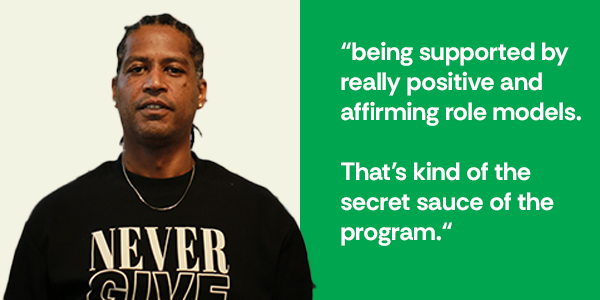
There probably isn’t enough regard for how important, and how effective, all of the trust building and connecting them to their aspirations and passions actually is in helping these young people. And of course, the importance of being supported by really positive and affirming role models. That’s kind of the secret sauce of the program.
And yeah, the other side of it is that very few people in the community are aware of just how resilient, and aspirational and motivated these young people can be if you give them a safe and stable place, and a chance to develop their own sense of direction in their lives.
It sounds like having belief in the young people is one of the most important parts of how we support them?
Oh yeah.
The common experience that all the young people the MyLife Project share is that they have had a lot of people come and go in their lives. Some have had over 10 different case managers or support workers in their lives before they come to us. Some even more than that.
Almost all of them are hesitant of trusting in you when you first meet them because people have either let them down or not been in their lives for long. Their response to this will be to test you and try and push you away to begin with.
Having belief in them is such an important aspect. To never give up on them is what really cuts through to them, because they’re expecting you to give up, they’re expecting you to move on.
So I think that when you support a young person like the ones in the MyLife Project, you have to show them that you’re 100% in.
If you don’t come into the MyLife Project with belief and commitment for the young people then you’re missing the point of what it is about.
Because when you genuinely believe that the young person you’re working with is capable of great things, then they start to believe it themselves. That’s what breaks the cycle of disadvantage in the end.
For further information on the Anchor MyLife Project, visit our Youth at Risk webpage.