


Livvy is seven years old.
This year, she has already started her first day at four different schools.
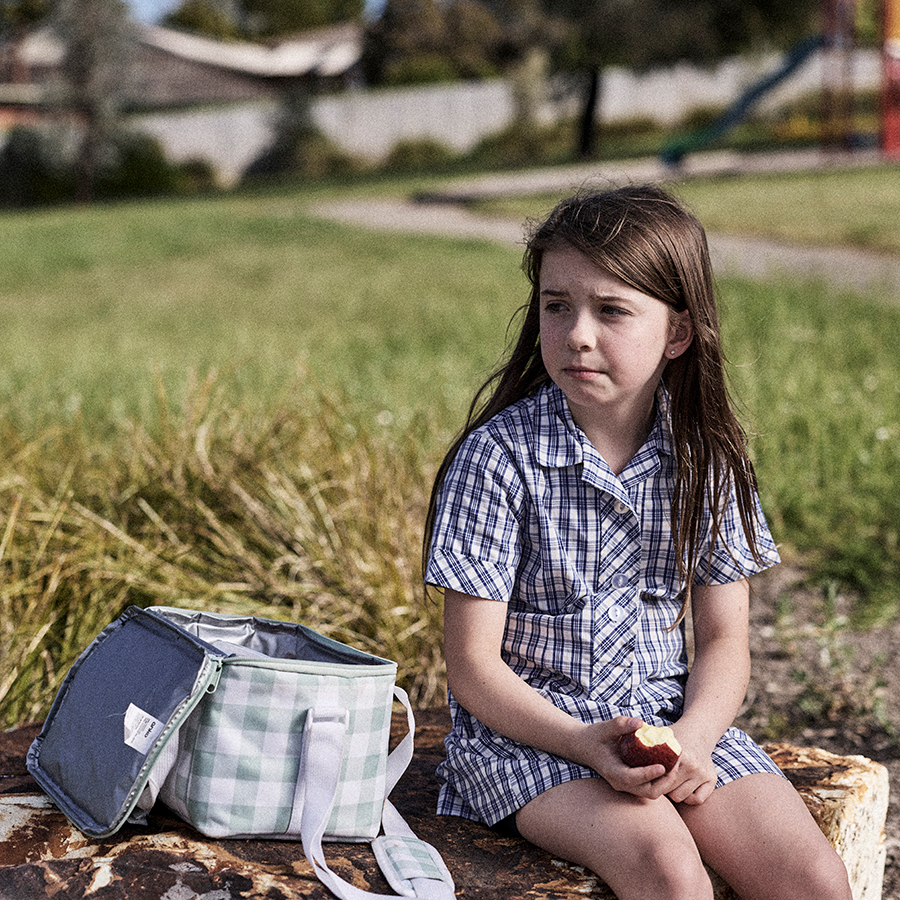
The first time, back in February, she cried so hard her mum, Sarah, had to physically peel her off her own leg. By the fourth, she was already walking into class on her own, ahead of her mum, found the hook with her name taped over somebody else’s, and sat down without looking back.
Livvy, at seven years old, has already perfected the art of how to be “the new kid”.
“My name is Livvy, I’m seven. Nice to meet you.”
A four-second introduction in front of the class, so that everyone can just stop staring.
What she hasn’t done, is make a friend.
Three months is the longest Livvy and her mum, Sarah, have lived anywhere since they were told to leave their rental last summer. Since then it’s been: a friend’s spare room, a cousin’s couch, and another friend’s spare room.
Most days, Livvy eats her lunch on her own, with only her school bag beside her as company.
When Sarah asked her who she’d played with at lunch, Livvy said, “A girl.”
“Which girl?”
“I don’t know.”
“Well, ask her name tomorrow, love.”
Livvy looked at her mum the way you look at someone who’s said something a bit silly.
“What’s the point, mummy? It’s not like I’m still going to be here next week.”
In November, the friend they were staying with told Sarah she needed the room back. They had two days to pack up, and nowhere else to go.
That afternoon, Livvy finally came home with a name: Poppy. She began telling her mum an entire story about something Poppy said about a dog.
The story was incredibly descriptive, right down to the last detail: how the dog barked, how they go for walks every day, and then she did Poppy’s voice. Then she asked if Poppy could come over in the school holidays.
“They’re doing the class photo in May, mummy. Poppy says we can stand together.”
“That sounds perfect, love.” Sarah replied.
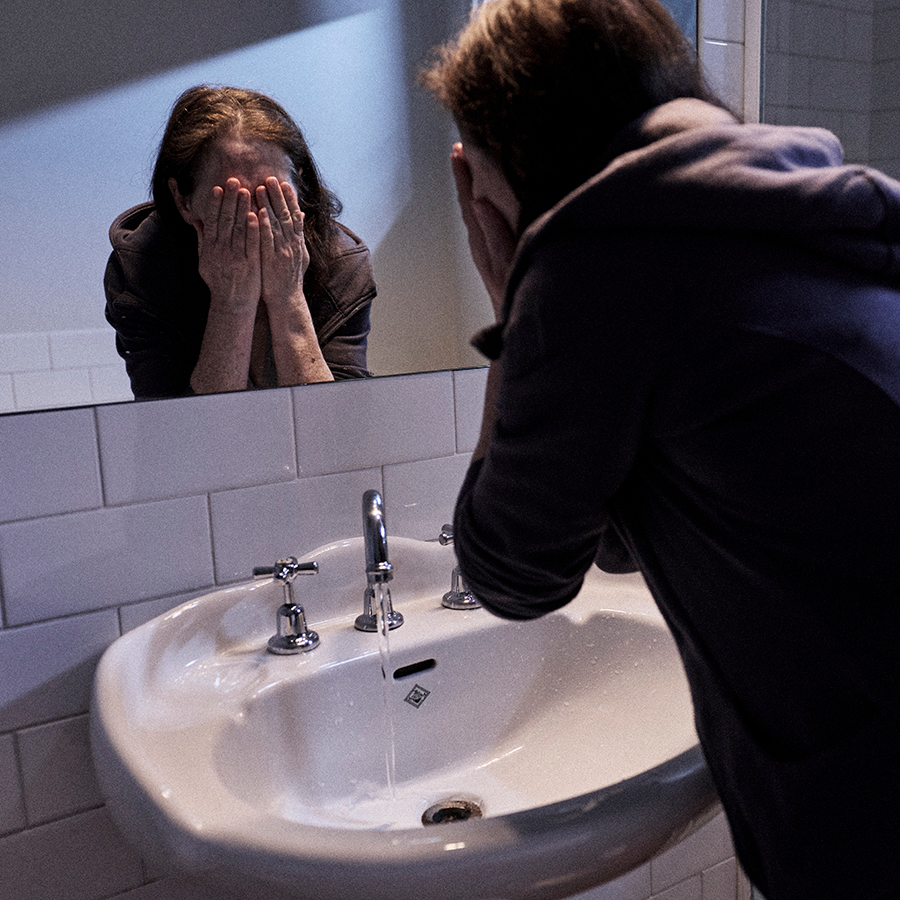
She went into the bathroom and turned the tap on, so Livvy wouldn’t hear her weeping into the sink.
Livvy had never been in a class photo before.
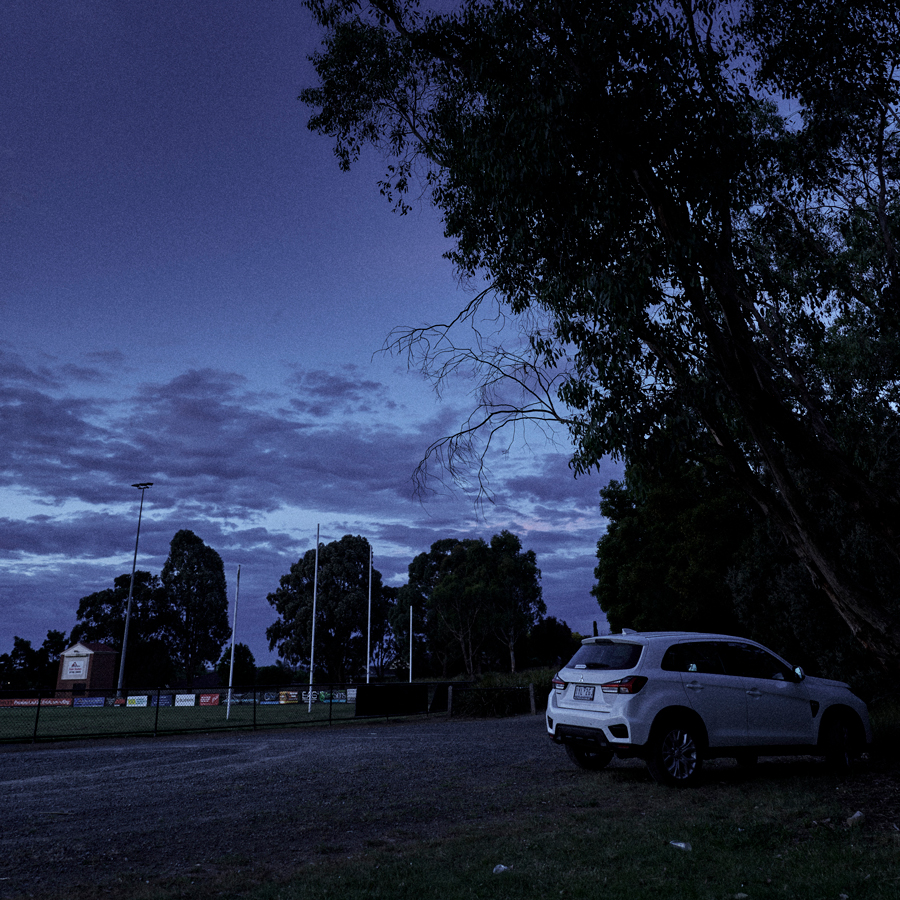
On Monday night, they slept in the car.
Sarah told Livvy it was an adventure.
“Camping”, she said, “but in the car. It’s going to be great, hey?”
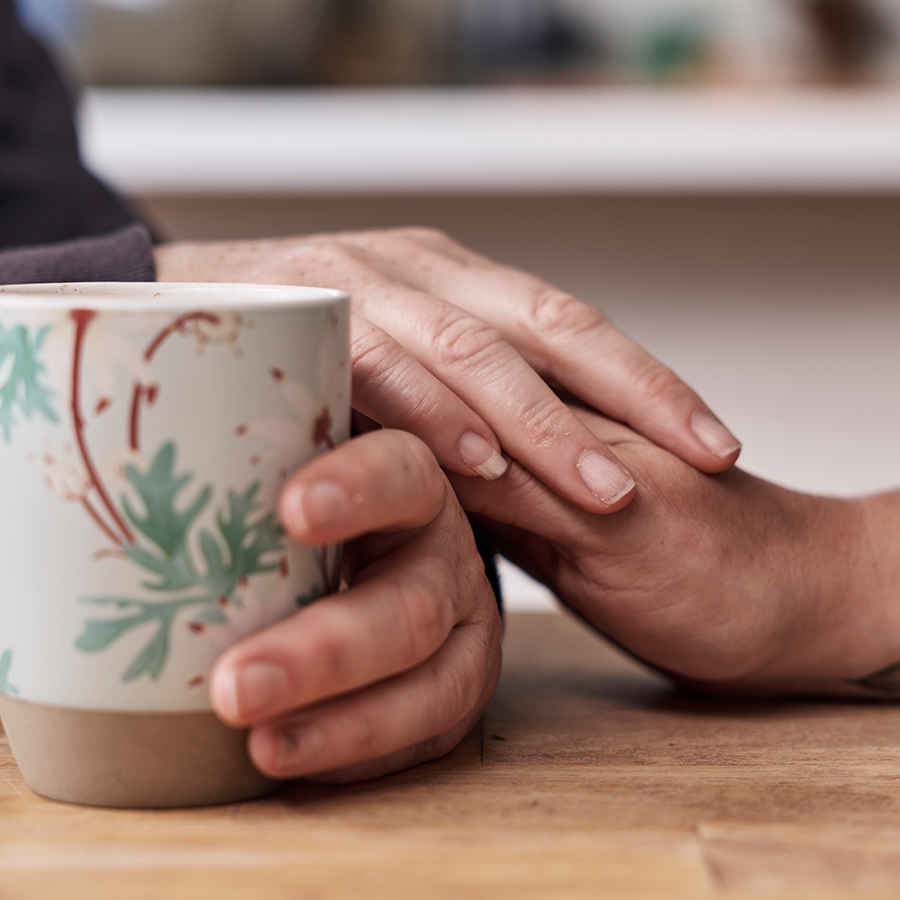
That night, they ate a meat pie sitting in the open boot beside an oval. Sarah reclined the front seat as far as it would go so she could reach back and hold Livvy’s hand until she fell asleep.
“Can I just leave a little light on, mummy?” Livvy asked.
“I’m sorry, love. The battery might go flat if we did.”
Livvy said okay.
Livvy always says okay.
They lived in the car for two and a half weeks. Every morning, Sarah parked a street away from the school so nobody would see they had pillows and blankets inside.
On the third Monday, Livvy’s teacher, Ms Cahill, rang.
“She’s lovely to have in class. She never asks for anything.”
Then a pause.
“She’s told us about your camping trip at news time three Mondays in a row now. She’s so proud of it. She says the best bit is that you hold hands until she falls asleep.”
Then another pause, but this time it was longer.
“Is everything okay at home?”
For months, Sarah’s default response to these awkward exchanges would have been “we’re just in between places”. It’s the phrase she always uses.
But this time she couldn’t get it out.
Sarah was given Anchor’s number. “Why don’t you give them a call?” Said Ms Cahill.
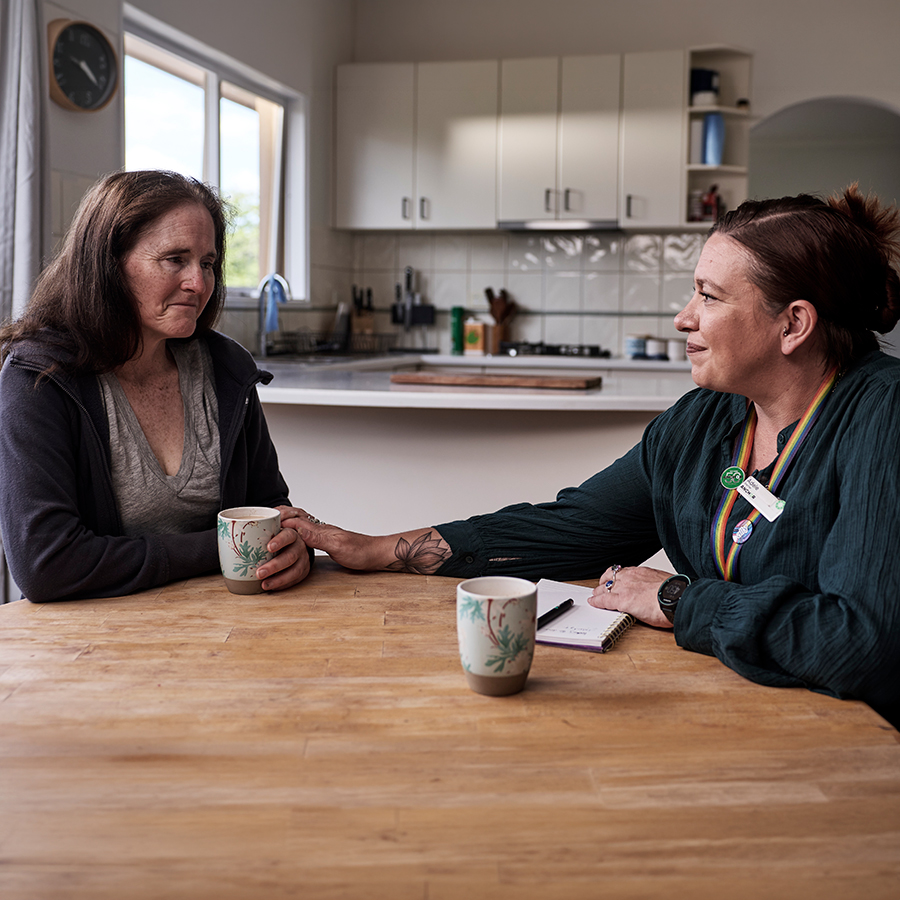
Sarah sat down with Adele from Anchor’s Lilydale office the next morning. Adele didn’t promise her a house, because there wasn’t one to promise. She simply asked Sarah what she needed, and then the two of them got to work.
That night, Livvy slept in a real bed, in a motel room Anchor arranged, for the first time in 18 nights. It was $179 a night, but Anchor handled it.
Over the next six weeks, Adele met with Sarah every week. She walked her through the forms and sat beside her while she made the calls, and when a real estate agent wouldn’t listen, Adele spoke up for her. By the last few weeks, Sarah was making the calls on her own. Together, they secured a month’s rent on a small unit, eleven minutes from Livvy’s school.
The unit was empty. Anchor sourced a donated bed for Livvy, a couch and a kitchen table through a local charity, and paid to have them delivered.
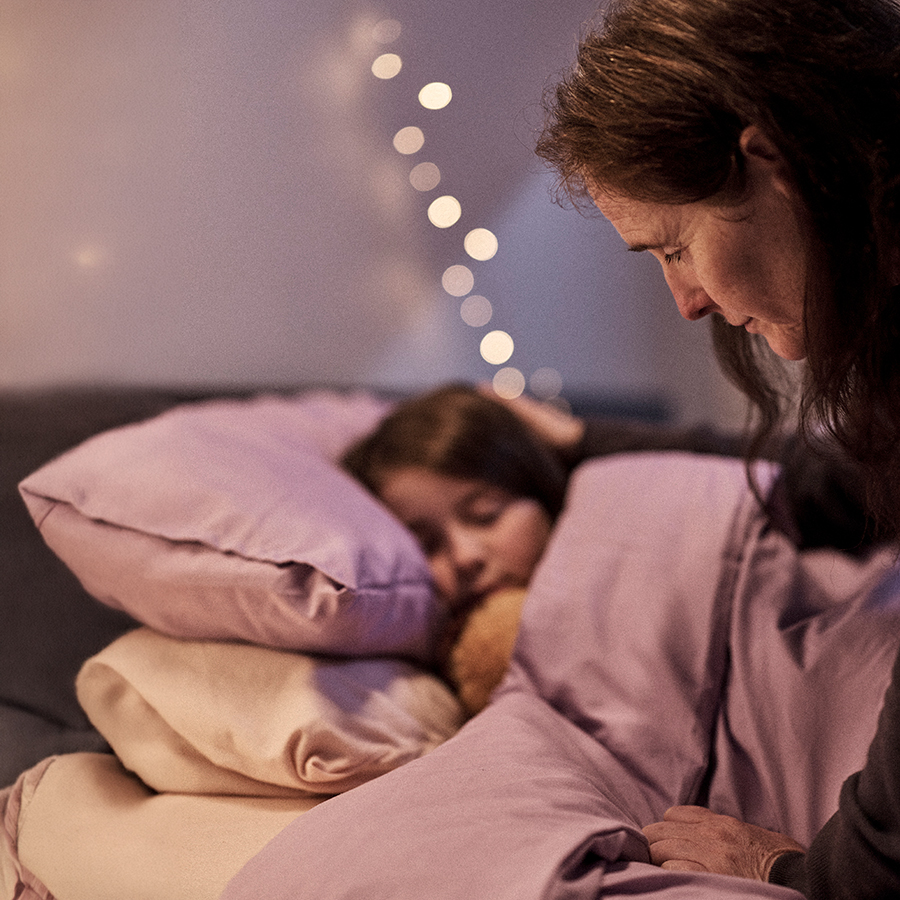
On the first night in her new bed, Livvy lay very still for a long time. Then she whispered, very quietly:
“Mummy, we’re not camping anymore, are we?”
“No, love. We’re not camping anymore.”
“Can we leave the lights on tonight then?”
Sarah began to tear up again.
“Yes, love. Now we can.”
In January, Poppy came over. The girls spent the last week of the holidays together at a school holiday program Anchor helped pay for. It cost $250 for a week after subsidy.
In February, Livvy is going back to the same school.
Same hook, same classroom, same friend. For the first time in her life.
They take the class photo in May, and Livvy has already worked out where she’ll stand: right next to Poppy.
“She already said yes”, beamed Livvy.
“She says it’s because I am her friend.”
What You Can Do to Help
Not every family who comes to Anchor gets a unit by Christmas. Many spend weeks in motels, and months on couches and in cars while we keep working alongside them.
Tonight, somewhere in Melbourne’s outer east, another little girl is asking if they can leave a little light on.
This Christmas, help us find her somewhere she can.
P.S. $50 covers fuel so a mum can keep driving her child to the same school. $179 gives a family a safe night in emergency accommodation. $250 sends a child on 1 week of school camp alongside her friends.
This story is a composite, drawn from the experiences of families Anchor supports in Melbourne’s outer east. Gifts are used where they’re needed most.